
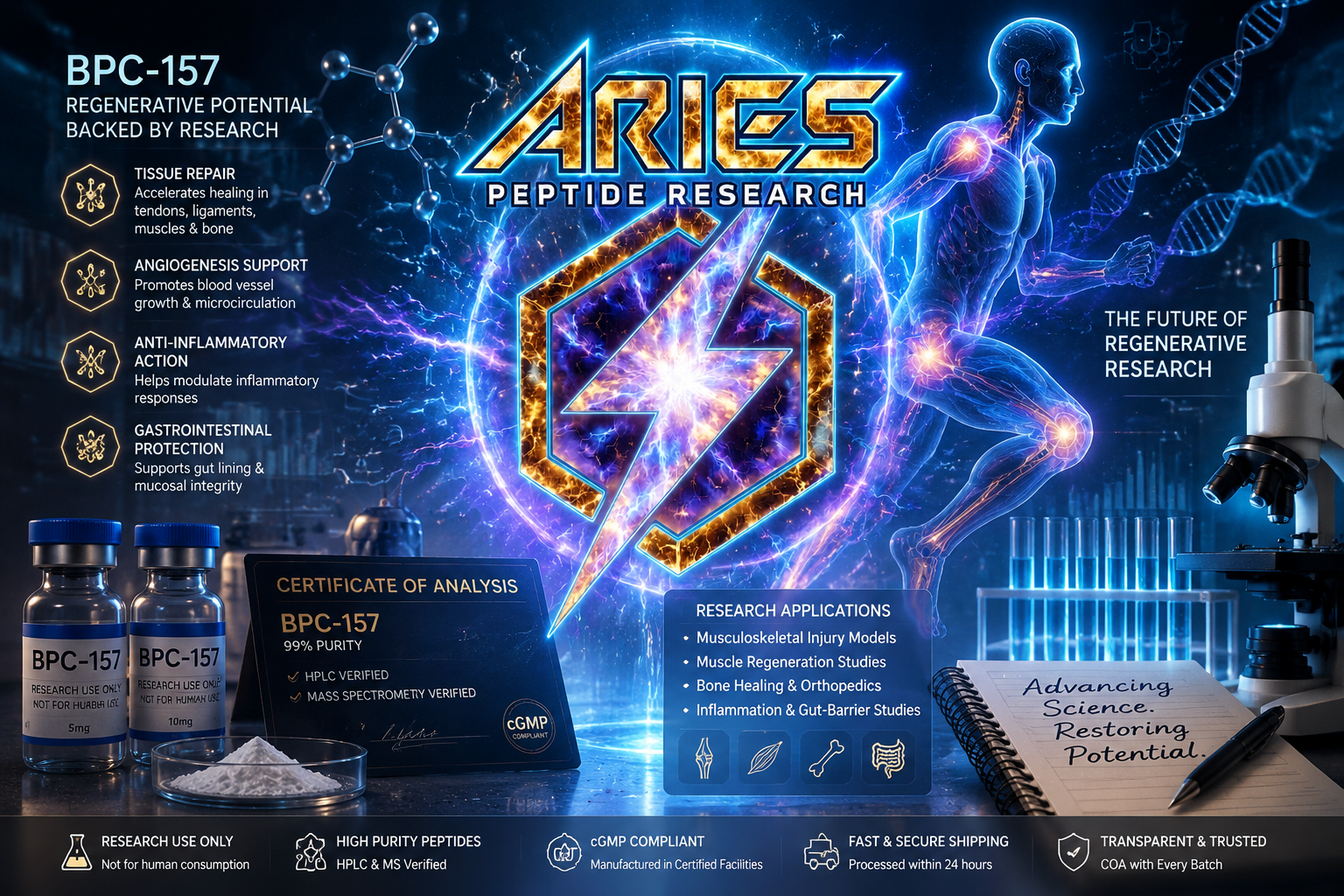
Researchers seeking BPC-157 for sale must understand its mechanisms, preclinical evidence, and sourcing best practices. highly discussed peptide in regenerative medicine research. This 15‑amino‑acid compound, originally isolated from human gastric juice, has shown promise in accelerating tissue repair in tendons, muscles, ligaments, and bones. Researchers seeking BPC‑157 for sale must understand its mechanisms, preclinical evidence, and the importance of sourcing high-purity peptides for safe laboratory studies. Researchers looking for BPC-157 for sale should focus on research-grade purity, transparent testing, and strict laboratory-use compliance before choosing any supplier.
When a tendon tears or a muscle strain refuses to heal, researchers look for molecules that can accelerate the body’s regenerative processes. One of the most talked about peptides in laboratory circles is BPC‑157, a 15‑amino‑acid fragment originally isolated from gastric juice. Despite the current regulatory restrictions, this compound has captured the imagination of scientists for its ability to promote tissue repair in controlled experiments. For laboratories seeking BPC‑157 for sale, understanding the science behind it, the evidence to date and the importance of high‑quality sourcing is essential.
Where to Buy BPC-157 for Sale for Research Use
ABSTRACTBackground: Body Protective Compound−157 (BPC−157) is an amino-acid composition-derived synthetic peptide from a naturally occurring human gastric juice. Evidence suggests that it strengthens mucosal integrity and shields the stomach from acid. Unlike purely in-silico designed peptides, BPC‑157 is a fragment of an existing protein that our body manufactures. Preclinical studies have revealed the remarkable ability of this peptide to accelerate healing, including wounds, tendons and ligaments as well as bone. Scientists sometimes classify BPC‑157 as pleiotropic (too many effects for one compound on biological pathways at the same time meaning that it leads to plenty of actions with just one paper).
BPC‑157 is generally offered as a lyophilized (freeze‑dried) powder in practice. The compound can be purchased in various sizes (5 mg to 60 mg) at Aries Peptide Research and is manufactured under cGMP conditions with HPLC and mass spectrometry verification for purity of 99 %. The peptide is for lab research use only and every batch has a Certificate of Analysis (COA). This does not allow you to then essentially put it in humans but allows, if appropriate and allowed, for exploration of its properties in vitro or in appropriate animal models.
How BPC-157 for Sale Is Studied in Regenerative Research
According to BPC‑157 research, it acts somewhat like a foreman for damaged tissue. In this analogy, the building as tendon or bone injury collapses: It requires raw materials (blood flow), workers (cells and factors of development) and a master plan (signalling of the cells). In fact, this is mediated by BPC‑157 through multiple pathways:
- Angiogenesis — VEGF activation: The peptide activates vascular endothelial growth factor (VEGF), which encourages the creation of new blood vessels Increased blood flow delivers oxygen and nutrients to the injured area while they remove waste products.
- Growth–factor signalling: BPC–157 promotes expression of both the growth hormone receptor and enhances signalling pathways for upregulation of repair to accelerate collagen synthesis and cell migration.
- Anti‑inflammatory effects: The peptide decreases the inflammatory cytokines (IL‑6 and TNF‑α) in animal models. Less inflammation helps the transition of tissue from acute injury to repair phase occurs sooner.
- Tissue specific actions: BPC‑157 only acts to allow for the needs of the tissue, organizing collagen in tendons and stimulating muscle fibre regeneration but also increasing osteoblast activity within bone tissue and enhancing strength in ligaments. Such versatility in the responses of specific tissues has generated interest in this peptide for potential research.
What Research Says About BPC-157 for Sale
Before reviewing the evidence, it is important to remember that BPC-157 for sale should only be considered in the context of controlled research and not personal or clinical use.
Preclinical Findings
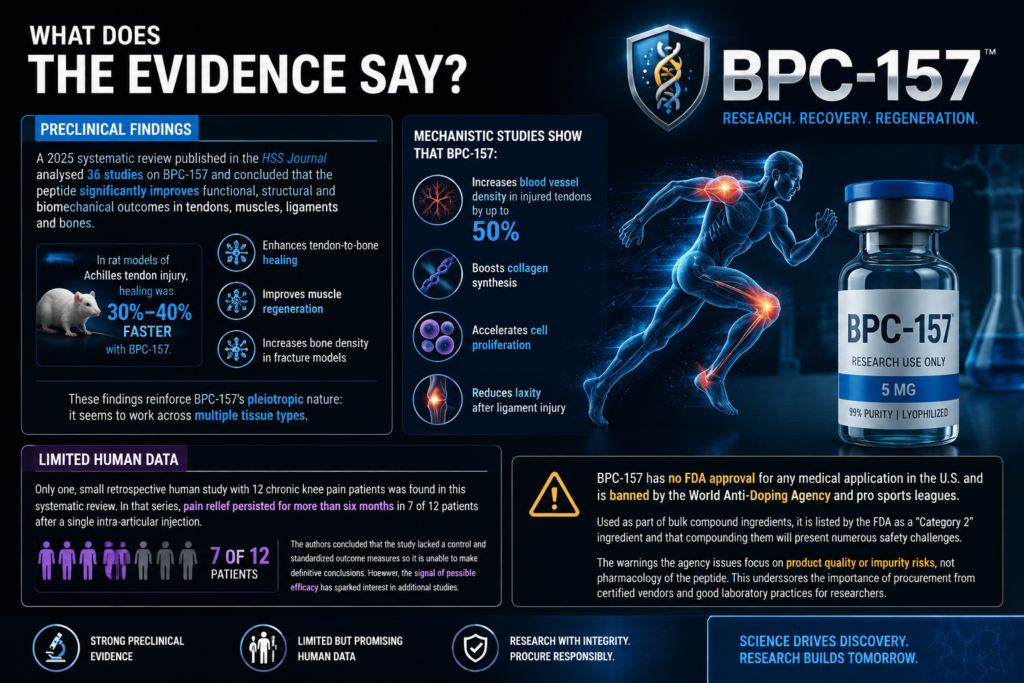
A 2025 systematic review published in the HSS Journal analysed 36 studies on BPC‑157 and concluded that the peptide significantly improves functional, structural and biomechanical outcomes in tendons, muscles, ligaments and bones. In rat models of Achilles tendon injury, healing was 30 %–40 % faster with BPC‑157. The same review reported that the peptide enhances tendon‑to‑bone healing, improves muscle regeneration and increases bone density in fracture models. These findings reinforce BPC‑157’s pleiotropic nature: it seems to work across multiple tissue types.
Mechanistic studies also show that BPC‑157 increases blood vessel density in injured tendons by up to 50 %, boosts collagen synthesis and accelerates cell proliferation. In ligaments, it reduces laxity after injury. These results suggest that BPC‑157 could be a potent mediator of tissue repair when used appropriately in research settings.
Limited Human Data
Although preclinical data are convincing, clinical data still remain limited. Only one, small retrospective human study with 12 chronic knee pain patients was found in this systematic review. In that series, pain relief persisted for more than six months in 7 of 12 patients after a single intra‑articular injection. The authors concluded that the study lacked a control and standardized outcome measures so it is unable to make definitive conclusions. However, the signal of possible efficacy has sparked interest in additional studies.
Arguably the most important one; BPC‑157 has no FDA approval for any medical application in the U.S. And is banned by the World Anti-Doping Agency and pro sports leagues. Used as part of bulk compound ingredients, it is listed by the FDA as a “Category 2” ingredient and that compounding them will present numerous safety challenges. The warnings the agency issues focus on product quality or impurity risks, not pharmacology of the peptide. This underscores the importance of procurement from certified vendors and good laboratory practices for researchers.
Safety Considerations Before Buying BPC-157 for Sale
Preclinical safety studies indicate that BPC‑157 lacks acute toxicity and does not appear to damage liver, kidney or heart tissue in standard tests. No mutagenicity or teratogenicity has been observed, even at doses 1,000 times higher than those typically used in research. However, human safety data are almost nonexistent. The small clinical study reported no serious adverse events, but the sample size was far too limited to detect rare or long‑term effects. Concerns have been raised that the peptide’s ability to stimulate angiogenesis and activate focal adhesion kinase (FAK) signalling could theoretically promote tumour growth. Until large, controlled trials are conducted, scientists must proceed cautiously and assume unknown risks could exist.This is why any discussion around BPC-157 for sale must include safety limitations, unknown human risks, and the importance of verified research documentation.
Regenerative Healing Research: BPC-157, Wound Healing, and Connective Tissue Support
Body Protection Compound-157, also known as gastric pentadecapeptide, is widely discussed in regenerative medicine and regenerative science because experimental models connect it with wound healing, cellular repair, connective tissue healing, tendon and ligament repair, musculoskeletal repair, and injury recovery. Researchers study this compound for its possible influence on collagen production, endothelial cells, microvascular function, vascular response, vascular growth, inflammatory response, cellular signaling, and cellular signaling pathways. In laboratory settings, BPC-157 is often explored in relation to connective tissue, ligament damage, neural tissue preservation, growth-hormone receptor activity, Substance P, and dopamine pathways, making it an important subject in modern peptide-based regenerative research.
Gastric Protection, Research Quality, and Regulatory Considerations
BPC-157 is also studied for gastric protection, gastrointestinal protection, gastrointestinal repair, gut lining, gut barrier support, gastric proteins, and conditions connected to inflammatory bowel disease in preclinical research. Since it belongs to the broader category of research chemicals, proper peptide synthesis, verified purity levels, and third-party laboratory testing are essential before any laboratory use. Although some discussions mention Peptide Therapy and possible clinical use, the current regulatory landscape requires careful wording, responsible sourcing, and strict research-only positioning. This makes BPC-157 a valuable topic for laboratories investigating Regenerative Healing, while also reminding researchers that quality control, documentation, and compliance matter as much as the science itself.
Regulatory Rules Around BPC-157 for Sale
Because BPC‑157 has not been approved for human use, its distribution in the United States exists in a legal grey zone. Compounding pharmacies previously produced the peptide, but recent FDA actions have cracked down on such operations. The Department of Justice even prosecuted a major supplier for distributing unapproved drugs. As a result, high‑quality BPC‑157 is now available primarily through research suppliers who sell it strictly for in‑vitro or animal experiments. Researchers must not administer the peptide to human subjects outside of an approved clinical trial, and consumers should be wary of websites selling BPC‑157 as a “wellness” product. Aries Peptide Research clearly states that its peptides are for research use only, not for human consumption. Because of this regulatory position, laboratories searching for BPC-157 for sale need to choose suppliers that clearly label the compound for research use only.
From an ethical perspective, offering BPC‑157 to patients without robust evidence may violate the principle of “first, do no harm.” Medical ethicists warn that prescribing the compound outside of an approved trial amounts to experimenting on patients without oversight. At the same time, researchers argue that well‑designed human trials are urgently needed to answer important questions about dosing, long‑term safety and efficacy. Until such trials are conducted, BPC‑157 should remain within the realm of laboratory research.
How to Choose a Trustworthy BPC-157 for Sale Supplier
If you are designing an experiment, the question is: where to buy BPC‑157? The solution can be found through collaboration with suppliers that share a commitment to the highest standards of quality, transparency and compliance. Here is what makes Aries Peptide Research different from the others:
- High Purity & Verified Science: Every batch of BPC‑157 is manufactured in cGMP‑compliant facilities and undergoes third‑party testing by independent laboratories with HPLC and mass spectroscopy. By this we mean you are getting peptide only, not a powder plus other (unknown) materials. All purchases include published certificates of analysis.
- Transparency Of Documentation: Aries offers extensive COA documentation and publishes batch results on its website. This kind of transparency is critical for researchers who need to report reagents accurately.
- Research-Oriented Selling: The company mainly sells BPC‑157 for research purposes only. By not promoting the peptide as a dietary supplement or therapeutic substance, it remains within regulatory guidelines and follows best practices.
- Variety of Sizes: 5 mg for pilot studies, or even up to 60 mg for long run experiments. For laboratories running multiple assays associated with one gene/disease, bulk purchases could be cost-effective.
- Expedited, Safe Shipping: Processed within 24 hours and shipped in place packaging along with bank‑level payment security. This approach provides your lab with the reagents quickly and without safety compromise.
Practical Applications in Research
Musculoskeletal Injury Models
In tendon‑repair experiments, BPC‑157 has been used to compare healing rates with and without the peptide. Researchers found that BPC‑157 enhanced collagen alignment and increased the load required to re‑tear tendons. Similar studies in ligaments reported reduced laxity and better structural integrity. Such models are valuable for exploring new therapies for rotator cuff injuries, Achilles tendon ruptures or medial collateral ligament (MCL) sprains. Because BPC‑157 seems particularly effective in tendon healing, many researchers combine it with physical therapy protocols in animal studies to evaluate synergistic effects.
Muscle Regeneration Studies
BPC‑157 promoted rapid muscle fibre regeneration, reduced scar tissue formation and functional recovery in muscle‑injury models. All of these experiments relate to human sport work, especially in relation to muscle strain in sports medicine research. Commonly, investigators will conduct a gene‑expression analysis comparing treated and control animals to determine the signalling pathways that are activated in response to the peptide.
Bone Healing and Orthopedics
One surprising area of preclinical research has been bone regeneration. The systematic review noted that BPC‑157 accelerated fracture healing and even performed comparably to bone grafts in models of non‑union fractures. By stimulating osteoblast activity, the peptide enhances bone mineral density at the injury site. For orthopedic researchers, this opens avenues to study BPC‑157 as an adjunct to traditional bone grafts or tissue engineering scaffolds.
Inflammation and Gut‑Barrier Studies
Because BPC‑157 originates from a gastric protective compound, some studies examine its effects on gut barrier integrity and inflammatory bowel diseases. In vitro experiments show that the peptide can restore tight junction proteins and modulate inflammatory signalling. Researchers investigating gastrointestinal disorders may thus find BPC‑157 a valuable tool for understanding mucosal healing.
Responsible Use and Future Directions
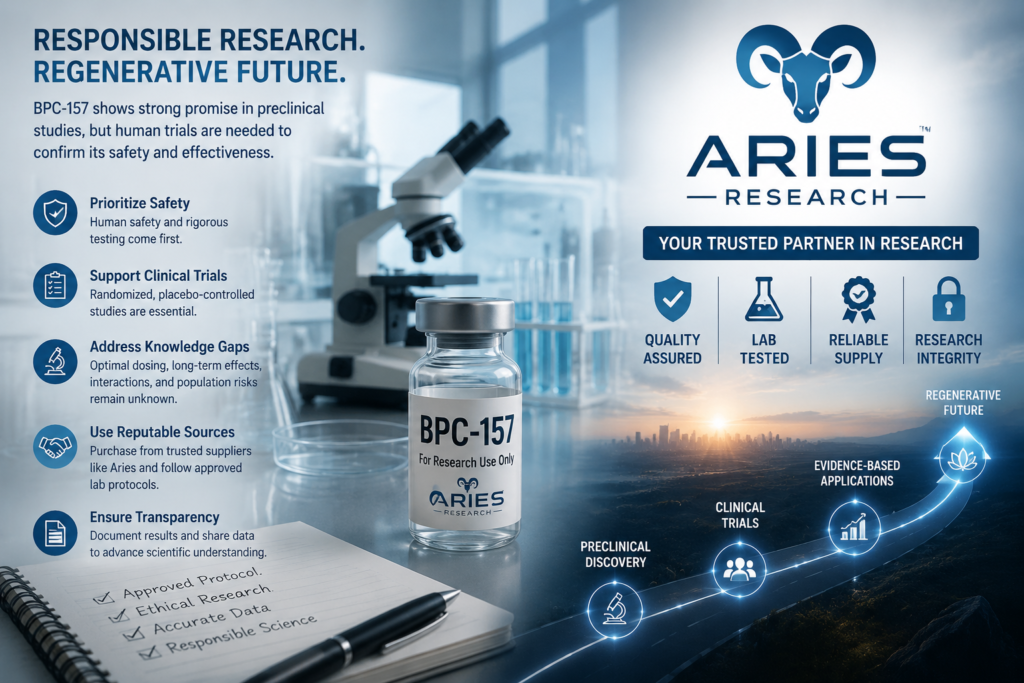
When exploring bpc 157 sale options, researchers must balance enthusiasm with caution. The animal data strongly support BPC‑157’s regenerative potential, but safety questions remain unanswered. Key knowledge gaps include optimal dosing in humans, long‑term effects, drug interactions and population‑specific risks. Scientists advocating for human trials emphasize the need for randomized, placebo‑controlled studies that can clarify efficacy and safety. Until those studies are conducted, BPC‑157 should not be used as a general wellness supplement or performance enhancer.
For investigators planning experiments today, the most responsible course is to purchase BPC‑157 from reputable suppliers like Aries, use it strictly within approved laboratory protocols and document results transparently. Avoid sourcing peptides from unverified online vendors, as impurity and sterility issues can compromise both safety and experimental outcomes. Remember: poor‑quality reagents not only jeopardize research integrity but also pose health risks if misused.
Conclusion: Harnessing the Promise with Integrity
In the world of regenerative medicine and sports science, few compounds have generated as much buzz—and controversy—as BPC‑157. Preclinical research indicates that this 15‑amino‑acid peptide can orchestrate the complex symphony of tissue repair, acting on blood vessels, growth factors, inflammatory pathways and more. Yet the leap from bench to bedside has not been made; human data are scarce and regulatory agencies justifiably restrict its use.
For researchers, BPC‑157 represents an intriguing tool. With responsible sourcing, rigorous experimental design and adherence to ethical principles, laboratories can explore its mechanisms and potential applications. If you’re ready to conduct such work and are searching where can I buy bpc157, Aries Peptide Research offers BPC‑157 peptide for sale with verified purity and documentation. By purchasing from trusted suppliers and using the peptide solely for research, you help ensure that future discoveries are grounded in sound science and respect for safety.
Ultimately, the hope is that well‑designed clinical trials will one day determine whether BPC‑157’s regenerative promise can be safely translated into therapies. Until then, the peptide remains a fascinating subject for research—and a reminder that scientific curiosity must be tempered by caution.