
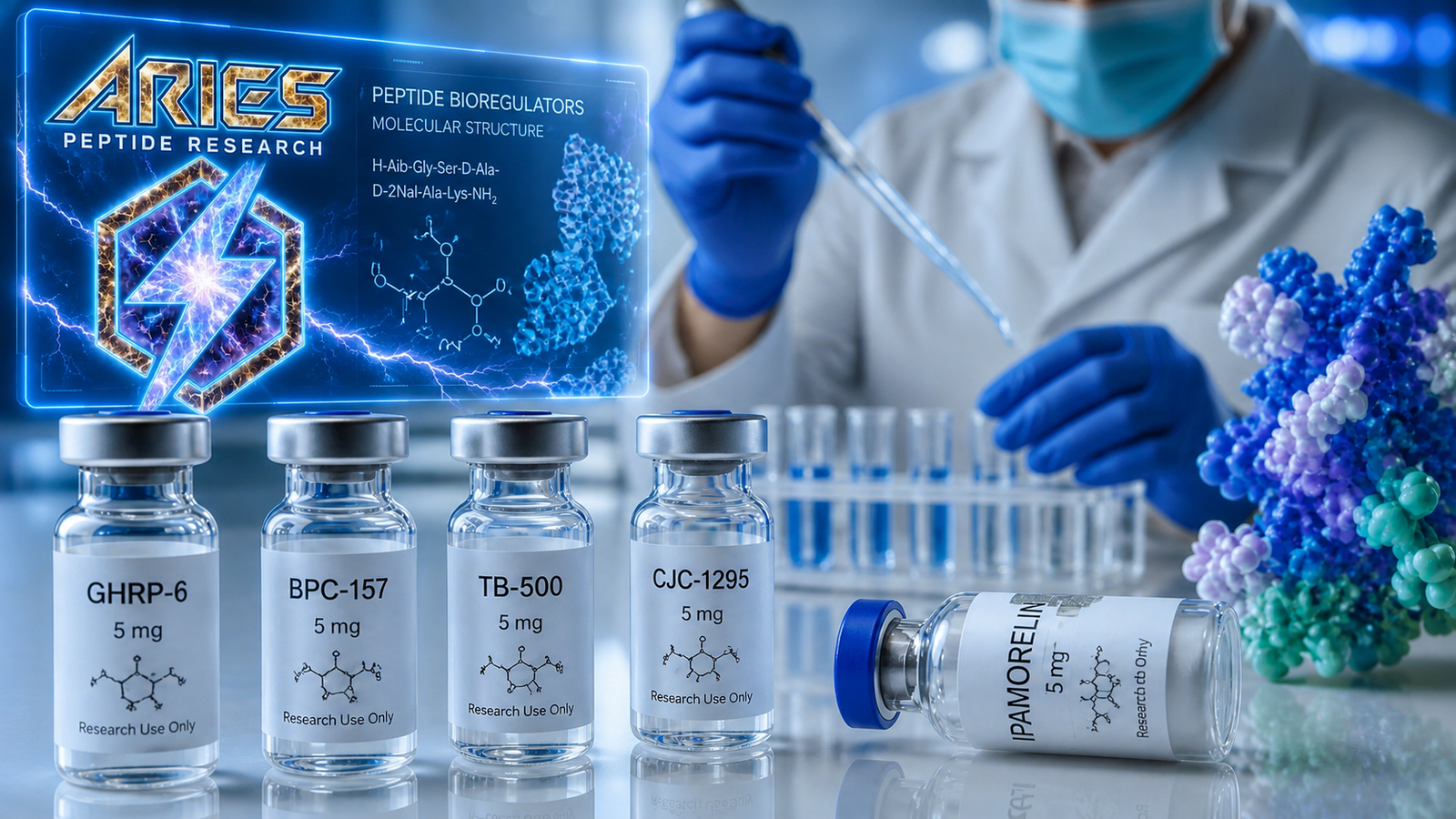
You’ll learn what peptide bioregulators are and why they matter for health, aging, and therapeutic research. These short signaling peptides can modulate specific cellular functions, offering targeted effects on tissue repair, immune response, and metabolic regulation.
They act through defined biological pathways and come in distinct types that target organs or cellular processes, which this article will unpack. Expect clear explanations of mechanisms, current clinical applications, safety considerations, research trends, and where the field is headed.
Biological Mechanisms
Peptide bioregulators interact with cells through defined receptor engagement, modulation of intracellular cascades, and selective control of transcriptional programs that influence cell phenotype and tissue architecture.
Cellular Signaling Pathways
Peptide bioregulators bind membrane or intracellular receptors, often G protein–coupled receptors (GPCRs) or receptor tyrosine kinases (RTKs), initiating canonical signaling cascades.
Ligand-receptor engagement triggers phosphorylation events that activate MAPK/ERK, PI3K/AKT, and JAK/STAT pathways, changing kinase activity within minutes to hours.
Some peptides act as biased agonists, preferentially activating one downstream branch over others, which alters cellular outcomes like proliferation versus differentiation.
Secondary messengers (cAMP, Ca2+) and scaffold proteins shape spatial and temporal signaling, producing transient versus sustained responses.
Endocytosis of peptide-receptor complexes can direct signaling from endosomes and regulate receptor recycling or degradation.
These dynamics determine if a cell enters cell cycle progression, metabolic adjustment, or apoptosis.
Gene Expression Regulation
Peptide bioregulators modulate gene expression by influencing transcription factor activity, chromatin state, and mRNA stability.
Activated kinases phosphorylate transcription factors such as CREB, STATs, and E2F, changing promoter binding and transcription rates within target gene networks.
Some peptides alter epigenetic marks: they recruit histone acetyltransferases or deacetylases, and influence DNA methylation enzymes, shifting chromatin accessibility at specific loci.
MicroRNA expression may also change in response to peptide signaling, affecting mRNA translation and degradation post-transcriptionally.
Together, these mechanisms produce selective upregulation or repression of genes controlling extracellular matrix proteins, cell-cycle regulators, and stress-response elements.
Tissue Regeneration Dynamics
Peptide bioregulators synchronize cell recruitment, proliferation, and matrix remodeling in tissue repair.
They promote growth-factor–like signaling that drives the proliferation of stem or progenitor cells, and they augment lineage-specific differentiation by influencing local transcriptional programs.
Peptides regulate extracellular matrix turnover through the modulation of MMPs and their inhibitors, TIMPs, thus controlling matrix degradation versus deposition.
Peptides promote vascular endothelial growth factor (VEGF) expression and protect endothelial cells from apoptosis through activation of phosphoinositide-3-kinase (PI3K)/AKT signaling, both direct mechanisms that provide support for angiogenesis [9].
Temporal control: Peptide exposure in the short-term favours proliferation, while prolonged exposure favours maturation and matrix assembly, impacting final tissue architecture.
Types of Peptide Bioregulators
Peptide bioregulators vary by origin, chemical modification, and the tissues they modulate. The following subsections summarize natural sources, synthetic analogues, and the specific organs or systems targeted.
Natural Sources
Peptide bioregulators appear in animal tissues, plants, microorganisms, and human secretions.
Animal-derived peptides include short sequences isolated from bovine, porcine, and fish tissues—examples are thymic peptides (thymosin α1) and hypothalamic peptides (TRH). These sequences often reflect conserved regulatory motifs that bind cellular receptors or enter cells via transporters.
Plant peptides, such as cyclotides and defensins, show signaling and antimicrobial roles; some are studied for immunomodulatory effects. Microbial peptides include bacteriocins and small signaling peptides used experimentally to modulate host pathways or as templates for drug design.
Extraction methods range from tissue hydrolysates and chromatography to targeted mass-spectrometry sequencing. Purity, sequence verification, and species origin matter for activity, immunogenicity, and regulatory classification.

Synthetic Analogues
Synthetic analogues include chemically identical peptides, truncated fragments, and modified sequences designed to improve stability, bioavailability, or receptor selectivity.
Common modifications are N‑terminal acetylation, C‑terminal amidation, D‑amino acid substitution, PEGylation, lipidation, and cyclization. These changes reduce proteolysis, enhance half-life, and alter tissue distribution.
Peptidomimetics replace peptide bonds with non-peptidic linkages to retain activity while resisting degradation. Solid-phase peptide synthesis enables rapid iteration and scale-up for clinical candidates. Regulatory-grade manufacture requires GMP, analytical characterization (HPLC, MS), and impurity profiling.
Clinical and preclinical pipelines contain analogues aimed at immune modulation, metabolic regulation, neuroprotection, and wound healing. Safety considerations include off-target receptor activation and immunogenicity from non-native modifications.
Organs and Systems Targeted
Peptide bioregulators often act on specific organs by mimicking endogenous signaling peptides or directing gene expression.
Immune system targets include thymus-derived peptides (enhancing T-cell maturation) and cytokine-modulating peptides that adjust inflammatory signaling. Metabolic targets feature insulinotropic peptides and hypothalamic regulators that influence appetite, glucose homeostasis, and lipid metabolism.
Neuroendocrine peptides affect cognition, mood, and stress responses; examples are melanocortins and neuropeptide Y analogues. Tissue repair targets include dermal and connective-tissue peptides that stimulate fibroblast proliferation, collagen synthesis, and angiogenesis.
Delivery route—oral, subcutaneous, intranasal, or topical—shapes organ exposure. Targeting strategies use receptor selectivity, cell-penetrating sequences, or nanoparticle carriers to concentrate effects and reduce systemic exposure.
Health and Longevity Applications
Peptide bioregulators target tissue-specific signaling to reduce cellular dysfunction, modulate immune responses, and support neural maintenance. They act at low doses, often by restoring gene expression patterns and improving proteostasis in aging cells.
Age-Related Degeneration
Peptide bioregulators such as short tissue-specific peptides (e.g., thymic, hepatic, cardiac peptides) aim to restore cell-type gene regulation that declines with age. They can increase expression of repair enzymes, chaperone proteins, and components of the ubiquitin-proteasome system, which helps remove damaged proteins and maintain proteostasis in senescent tissues.
Clinical and preclinical work often reports improved tissue architecture, reduced markers of fibrosis, and enhanced mitochondrial function after peptide treatment. Evidence varies by peptide and model: some randomized trials report modest functional gains (e.g., improved walking distance, muscle strength) while many studies remain small or open-label. Safety profiles in reported trials are generally favorable, with low rates of serious adverse events, but long-term outcomes and standardized dosing regimens are not yet established.
Immune System Modulation
Peptide bioregulators can act on central immune organs and peripheral immune cells to rebalance immunity altered by age or disease. For example, thymic peptides aim to enhance T-cell maturation and diversity, while other peptides influence macrophage polarization and cytokine production to reduce chronic low-grade inflammation (inflammaging).
Measured effects include increased naive T-cell counts, improved vaccine responses in older adults, and reduced proinflammatory cytokines (IL-6, TNF-α) in some studies. Responses depend on baseline immune status, peptide sequence, dosing interval, and delivery route. Clinicians should note potential interactions with immunosuppressive therapies and monitor clinical endpoints rather than surrogate biomarkers alone.
Cognitive Support
Neuroprotective peptides target neuronal repair pathways, synaptic plasticity, and neuroinflammation to support cognition in age-related decline and neurodegenerative disease models. Mechanisms include upregulation of neurotrophic factors, reduction of microglial activation, and enhancement of synaptic protein turnover.
Preclinical models often show improved memory performance and reduced amyloid or tau pathology with specific peptides. Human data remain limited: small trials report cognitive score improvements or slowed decline in some populations, but reproducibility and large-scale efficacy data are lacking. Safety and blood–brain barrier penetration vary by molecule; clinicians should rely on validated cognitive measures and consider adjunctive lifestyle interventions when evaluating benefits.
Therapeutic Potential
Peptide bioregulators target specific cellular pathways to modulate protein expression and tissue function. They show promise in slowing tissue degeneration, reducing inflammation, and improving repair processes with targeted, sequence-specific actions.
Chronic Disease Management
Peptide bioregulators have been studied for effects on organ-specific aging and chronic conditions such as chronic obstructive pulmonary disease (COPD), chronic kidney disease (CKD), and metabolic syndrome. Short regulatory peptides derived from organ-specific proteins can up- or down-regulate transcription of key structural and enzymatic proteins, potentially restoring more youthful patterns of protein synthesis in liver, kidney, lung, and cardiac tissue.
Clinical and preclinical studies report modest improvements in biomarkers: reduced inflammatory cytokines (e.g., IL-6), improved serum creatinine or estimated glomerular filtration rate in some CKD cohorts, and improved pulmonary function indices in certain COPD trials.
Safety profiles tend to show low systemic toxicity due to low-dose, sequence-specific activity, but data quality varies and long-term randomized trials are limited. Physicians weigh potential benefits against incomplete evidence and regulatory status when considering off-label or adjunctive use.
Sports and Physical Recovery
In sports medicine, peptide bioregulators aim to accelerate muscle repair, reduce tendon degeneration, and modulate inflammation after injury or intense training. Specific short peptides have been investigated for stimulating collagen synthesis in tendons and ligaments, enhancing satellite cell activity in skeletal muscle, and normalizing cytokine responses to reduce recovery time.
Evidence includes small controlled trials showing faster return-to-play metrics and improved muscle strength recovery when peptides are combined with standard rehabilitation. Anti-doping authorities assess molecules by mechanism and evidence; some peptides fall under prohibited lists depending on their classification and functional effects.
Practitioners should consider peptide provenance, dosing protocols, and legal status in sport. Individual response varies with age, injury severity, and concurrent therapies, and robust athlete-specific long-term safety data remain limited.

Safety and Regulation
Regulatory classification, available clinical data, and documented adverse effects determine access and recommended use. Rules vary by country, and oversight ranges from prescription-only to unregulated supplement status.
Clinical Evidence
Clinical trials on peptide bioregulators are limited and often small. Several Russian and Eastern European studies report improved biomarkers of aging and organ function using low-dose tissue-specific peptides, but many lack randomized, double-blind designs and independent replication.
A few peptides—thymosin alpha-1 and BPC-157—have more robust literature. Thymosin alpha-1 has randomized controlled trials supporting its immune-modulating effects in chronic hepatitis and as an adjuvant to vaccines. BPC-157 mainly has preclinical data in rodents and case reports; high-quality human RCTs are absent.
Systematic reviews emphasize heterogeneity: different peptide sequences, doses, routes (oral, injectable, nasal), and endpoints prevent meta-analysis. Clinicians should rely on well-powered RCTs, pharmacokinetic data, and safety monitoring rather than extrapolation from animal studies.
Potential Side Effects
Adverse events vary by peptide, dose, and administration route. Reported injection-site reactions include pain, erythema, and rare sterile abscesses. Systemic effects documented in trials include mild flu-like symptoms, transient changes in liver enzymes, and injection-related infection when aseptic technique is poor.
Immunomodulatory peptides can alter immune responses; this may worsen autoimmune disease or interact with immunosuppressive therapy. Off-label or unregulated manufacturing raises risks: contamination, incorrect dosing, and impurities leading to unexpected toxicity. Drug interactions are possible but poorly characterized; clinicians should review concurrent medications and monitor liver and renal function when initiating therapy.
Legality Worldwide
The legal status varies significantly by jurisdiction. In the US, many peptides are considered prescription drugswhen advertised for therapeutic claims, while some fall under an investiga-tional new drug (IND) application for research only use [7]. The FDA has sent warning letters to firms of unapproved injectable peptides sold as supplements.
Peptides which are intended to be medicines in the European Union must obtain marketing authorization from either EMA or national agencies. Some countries regard certain peptides as prescription-only, some are permitted as cosmetics or supplements if claims and concentrations meet local law.
In countries with less stringent regulation, peptides may be available over the counter or via direct-to-consumer online sellers. Buyers should verify manufacturer GMP certification, product testing (COA), and local importation rules before purchase.
Trends in Research and Development
Research emphasizes platform advances for targeted delivery, improved peptide stability, and precise biomarker-driven indications. Clinical work prioritizes safety profiling, dose optimization, and head-to-head comparisons against standard therapies.
Emerging Technologies
mRNA and plasmid-based expression systems now complement synthetic peptides to enable sustained in vivo production of short regulatory peptides. Companies and academic labs report improved yields using optimized codons and secretion signals to reduce dosing frequency.
Lipid nanoparticles (LNPs) and cell-penetrating peptides (CPPs) serve as leading delivery strategies to enhance tissue uptake, particularly for brain and muscle targets. LNP formulations with ionizable lipids reduce systemic toxicity versus older cationic lipids.
Pegylation, cyclization, and non-natural amino acid substitution extend half-life and protease resistance. High-throughput screening with microfluidic peptide libraries plus AI-guided sequence optimization accelerates candidate selection and predicts off-target interactions.
Regulatory T-cell (Treg)–targeted peptides and senotherapeutic peptide candidates reflect growing interest in immune modulation and aging biology. Translational pipelines increasingly integrate biomarker assays (phospho-proteomics, transcript signatures) to demonstrate mechanism of action in early trials.
Notable Clinical Trials
A phase II randomized trial tested a thymic peptide analog for immune reconstitution in elderly subjects, reporting improved CD4/CD8 ratios and reduced infection days versus placebo with an acceptable safety profile. The trial used weekly subcutaneous dosing and measured telomere-related transcripts as pharmacodynamic markers.
Another multicenter phase I/II study investigated an intranasal peptide aimed at neuroprotection in early Parkinson’s disease, showing target engagement by CSF biomarker changes and modest motor-score slowing at six months. Adverse events were primarily local irritation and transient headache.
Several oncology trials pair peptide bioregulators with checkpoint inhibitors to boost tumor-infiltrating lymphocyte function; early cohorts show enhanced cytokine responses and occasional partial responses. Most ongoing trials emphasize rigorous biomarker endpoints and randomized designs to separate immunomodulatory effects from background therapy.
Peptide Preparations and Modern Longevity Research
How Bio Regulators Peptides Support Cellular Repair and Healthy Aging
Peptide preparations, Peptide therapies, and peptide drugs are becoming important research topics in regenerative medicine, functional medicine, longevity medicine, Global Health, and molecular biology because small peptides, di-, tri-, tetrapeptides, EW dipeptide, regulyatornye peptidy, peptidergicheskaya regulyatsiya, and peptidnye geroprotektory are being studied for their role in cellular repair, immune dysfunction, organs and tissues support, blood vessels health, pineal gland function, and age-related pathology. Research discussions around Peptides of pineal gland, polypeptide drug thymalin, Thymosin Beta-4, growth hormone secretagogues, Gonadotropin-releasing hormone, and peptide bioregulators also connect with broader mechanisms of aging, telomere maintenance, mean life span, average life expectancy, long-term treatment, and molecular mechanism analysis. In studies related to Health and Aging in Russia, Neuroendocrinol Lett, Urology reports, the SENECA study, UN Report data, demographic situation, Latin America aging trends, and postcovid syndrome, researchers continue to explore how biological substances may influence viral infections, neurodegenerative diseases, organ-specific decline, and the natural balance of organs and tissues. This growing interest shows why peptide bioregulators and bioregulators peptides are becoming valuable for advanced research, especially when scientists want to understand how targeted peptide signaling may support recovery pathways, tissue communication, and healthy aging-related biological functions.

Future Directions
Research will expand randomized, placebo-controlled clinical trials to establish efficacy across indications and populations. Larger sample sizes and standardized endpoints will clarify which peptide bioregulators produce meaningful clinical benefits.
Regulatory frameworks will adapt to accommodate peptide bioregulators’ distinct mechanisms. Authorities may develop product-class definitions, manufacturing standards, and guidance for clinical development and post-marketing surveillance.
Analytical and delivery technologies will improve stability, bioavailability, and targeted delivery. Advances may include novel formulations, controlled-release systems, and targeted carriers to enhance tissue-specific effects.
- Mechanistic studies: deeper mapping of peptide–receptor interactions and downstream signaling networks.
- Biomarker development: identifying predictive markers for response and safety.
- Dose-optimization studies: refining therapeutic windows and schedules.
Manufacturing scale-up will emphasize reproducibility and impurity control. Process analytical technology (PAT) and GMP improvements will reduce batch variability and support wider clinical use.
Implementation in healthcare systems will be guided by ethical and access considerations. Policymakers and payers will consider cost-effectiveness, while equity-focused studies assessing access across socioeconomic strata.
Peptide chemistry, systems biology, clinical pharmacology and regulatory science all working together in an interdisciplinary manner will speed this process along the way. Translational pipelines can be accelerated by establishing public–private partnerships and consortia.
Long-term risk–benefit profiles will be defined by real-world evidence and registries, Safety monitoring with continuing emphasis. In addition to conventional frameworks, adaptive trial designs will help identify rare or delayed adverse events.
Have questions about peptide bioregulators, research applications, or product information? Contact our team today for expert guidance and reliable support. You can also connect with us on our Facebook Page for the latest updates, helpful resources, and quick communication.