
Description
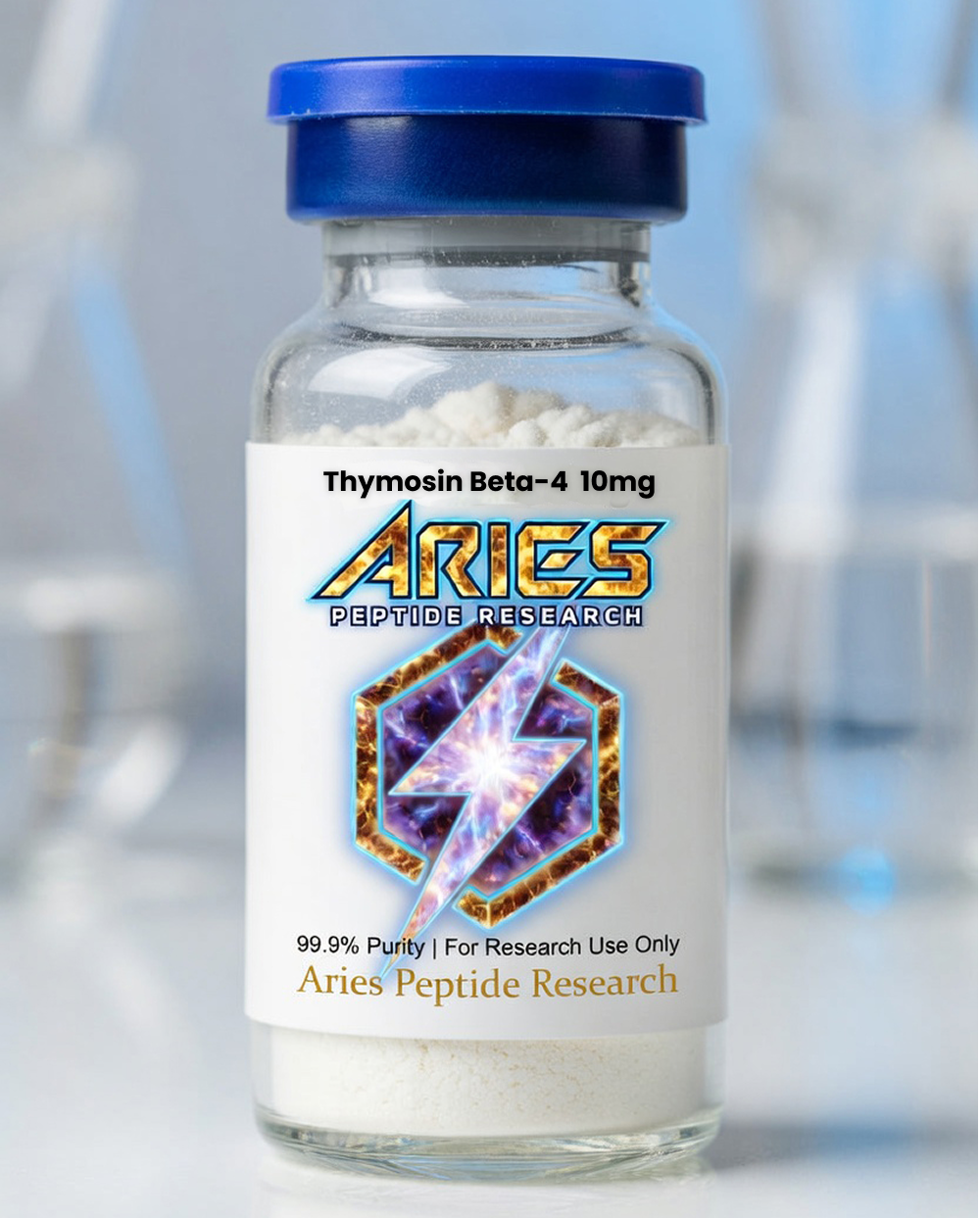
Tissue engineering labs observe cell migration velocities by adding the Thymosin Beta-4 regeneration peptide to damaged vascular cultures. This full-length sequence plays a major role in actin upregulation and cellular remodeling paths.
Core Research Focus
Actin Filament Regulation: Allows labs to observe how actin-binding sequences protect cell structures from rapid tissue decay.
Angiogenesis & Cell Remodeling: Enables researchers to track rapid endothelial cell movement, wound healing mechanics, and actin regulation using pure Thymosin Beta-4 regeneration peptide.
Comparative Research Options: To evaluate actin-binding mechanisms alongside gastric cytoprotective models, explore our BPC-157 Research Peptide. For a detailed comparison between these two tissue recovery paths, read our guide on TB-500 vs BPC-157 Differences. You can also review our laboratory standards on our About Us Page.
Technical Specifications
| Specification | Details |
| Primary Target | Actin Polymerization, Cell Migration & Angiogenic Pathways |
| Documentation | COA verified peptides status included (How to Read COA) |
| Category | Tissue Repair & Peptide Bioregulators |
| Format | Sterile Lyophilized Powder |
Handling & Storage Guidelines
Storage Condition: Lock the dry vial away in deep freeze storage at -20°C for long-term stability, protected from direct light exposure.
Reconstitution & Handling: Reconstitute gently by running liquid media down the inside vial wall to preserve structural integrity. For indexed literature and scientific studies on thymic peptides, consult PubMed Thymosin Beta-4 Studies.
Usage Safety: Protect from sharp temperature shifts post-reconstitution and avoid multiple freeze-thaw cycles to keep the setup stable.
Research Disclaimer: This compound is synthesized strictly for laboratory research and development purposes. It is not intended for human therapeutic, diagnostic, or clinical use.

Reviews
There are no reviews yet.