
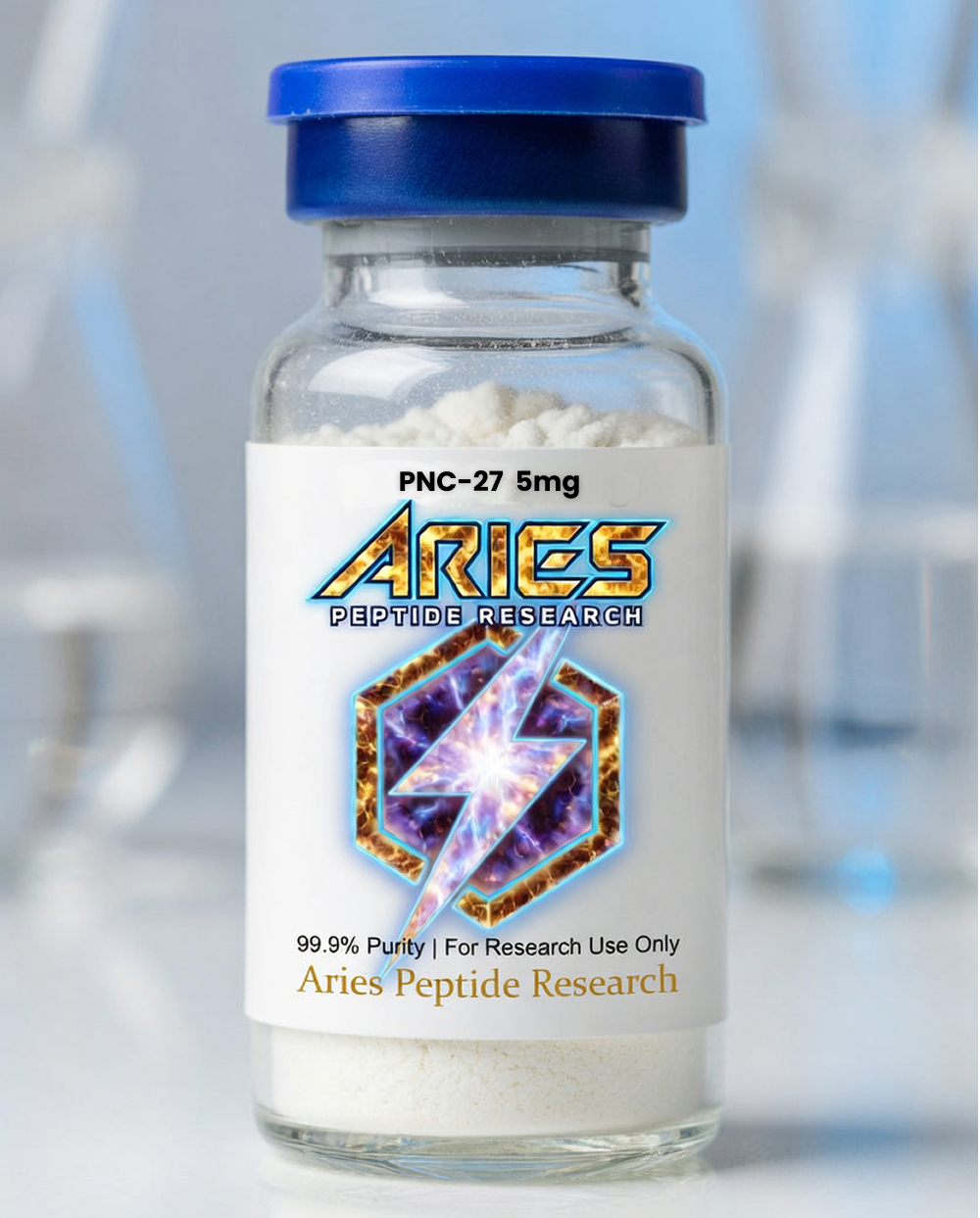
Description
Medical screening units measure membrane disruption speeds by applying the PNC-27 oncology peptide to abnormal cellular populations. This specialized research tool works as a targeted HDM2-binding peptide sequence to isolate membrane pore formation.
Core Research Focus
Membrane Lysis Induction: Allows labs to observe how selective protein-binding vectors protect neighboring normal structures from rapid decay.
Targeted Transmembrane Degradation: Enables teams to track rapid transmembrane shifts, cellular clearance rates, and exact structural integrity changes using pure PNC-27 oncology peptide.
Comparative Research Options: To evaluate this sequence alongside cellular lung and tissue repair models, explore our Chonluten Lung Bioregulator Peptide. For synthesis standards between laboratory and therapeutic grade compounds, read our guide on Research Peptides vs Pharmaceutical Peptides. You can also review our laboratory standards on our About Us Page.
Technical Specifications
| Specification | Details |
| Primary Target | HDM2 Protein Complexes & Cell Membrane Pore Formation Pathways |
| Documentation | COA verified peptides status included (How to Read COA) |
| Category | Specialized Research & Peptide Bioregulators |
| Format | Sterile Lyophilized Powder |
Handling & Storage Guidelines
Storage Condition: Lock the dry vial away in deep freeze storage at -20°C for long-term stability, protected from direct light exposure.
Reconstitution & Handling: Reconstitute gently by running liquid media down the inside vial wall to preserve structural integrity. For indexed literature and scientific studies on HDM2-binding mechanisms, consult PubMed PNC-27 Studies.
Usage Safety: Protect from sharp temperature shifts post-reconstitution and avoid multiple freeze-thaw cycles to keep the setup stable.
Research Disclaimer: This compound is synthesized strictly for laboratory research and development purposes. It is not intended for human therapeutic, diagnostic, or clinical use.
Reviews
There are no reviews yet.